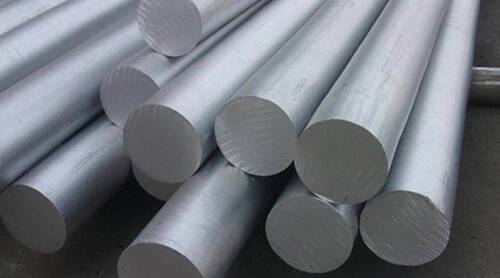
About Aluminum 6061 Rod
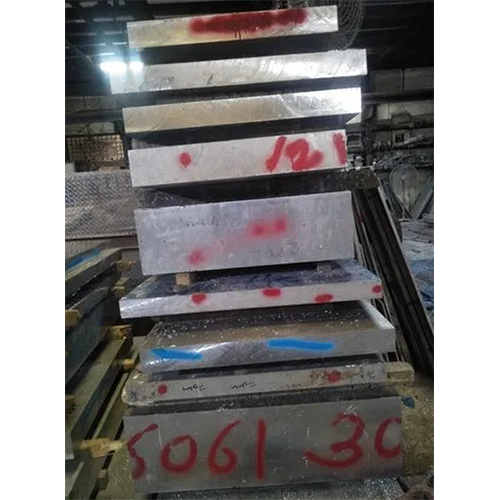
Aluminium 6061 HR Rod, Al Alloy 6061 Rods, Aluminum 6061 Rods, Aluminium 3.3211 Rod Stockholder, Aluminium 6061 Round Bars, ASTM B221 Aluminium 6061 Rods, Aluminium Alloy 6061 Rods Stockholder in IndiaUNS A96061 Rods, Aluminium 6061 HR Rod, ASME SB 221 Aluminium 6061 Rods, Aluminum Alloy 6061 Hot Rolled Rod, Aluminum Alloy 6061 Bars, Aluminium 6061 Rods Stockist in Mumbai, India.Aluminium 6061 Cold Rolled Rod, Aluminium 6061 Bars, Aluminium 6061 CR Rod, Aluminium 6061 Industrial Rods, Aluminium 6061 Rods Supplier in Mumbai, India.Specifications: ASTM B221, B211, B565, B316, AMS 4121 6061
Temper: O, H12, H14, H16, H18, H22, H24, H26, H32, H112
Thickness: 50 mm to 6000 mm Long
Length: 1 To 6 Meters, Random, Fix & Cut Length or as per clients requirement
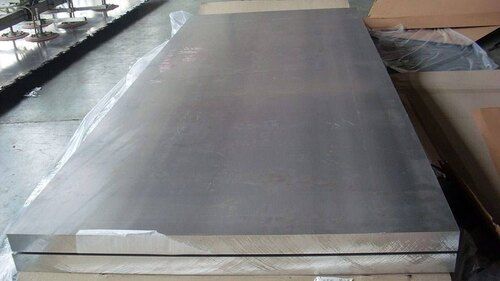
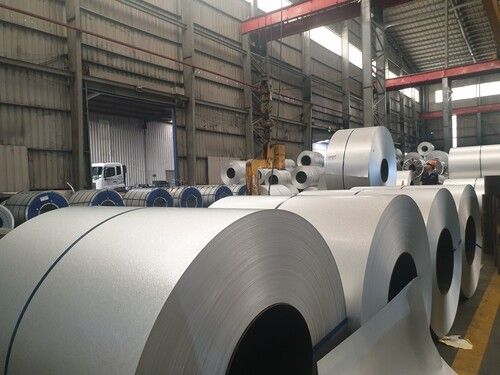
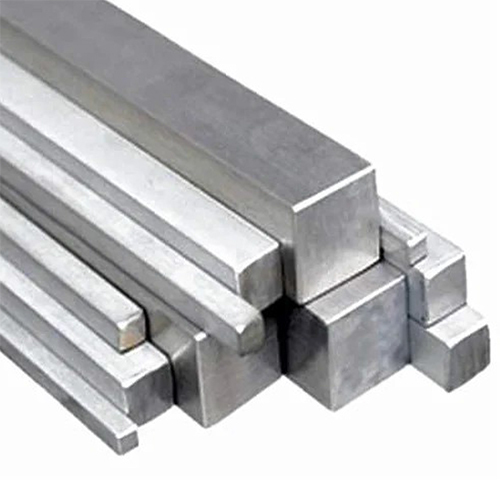
Form: Round, Square, Hex(A/F), Rectangle, Billet, Ingot, Forging Etc
Rod Size: 0.1mm 800mm, etc
Flat Rod Size: 1-2500mm, etc
Surface: Bright, Polish & Black
Type: Hot-Rolled (HR) / Cold-Rolled (CR) / Rods/ Bars
Aluminium 6061 Rods Equivalent GradesVersatile Applications Across IndustriesAluminum 6061 rods are widely used in sectors such as aerospace, marine, transportation, construction, and machining. Their high strength and lightweight characteristics make them ideal for components demanding durability without excess weight, including structural supports, mechanical fixtures, and fasteners. The customizable dimensions ensure these rods meet specific project needs.
Exceptional Machinability and Weldability6061 aluminum rods offer excellent machinability, allowing for intricate fabrication and forming processes. Their very good weldability supports robust joint creation for assemblies and complex structures. The combination of these qualities simplifies manufacturing workflows and increases the range of achievable designs where precision is essential.
Superior Strength and Corrosion ResistanceEngineered for demanding environments, these rods exhibit an ultimate tensile strength of 310 MPa and a Brinell hardness of 95 HB. They naturally resist corrosion, making them suitable for marine and outdoor applications. Users benefit from a long service life and minimal maintenance requirements.
FAQ's of Aluminum 6061 Rod:
Q: How does the machinability of Aluminum 6061 rod benefit manufacturing processes?
A: The excellent machinability of Aluminum 6061 rods allows for efficient cutting, drilling, and shaping, reducing tool wear and production time. This makes them ideal for complex components and custom parts in industries like aerospace and machinery.
Q: What are the typical uses for Aluminum 6061 rods in industrial settings?
A: 6061 rods are commonly used in aerospace components, marine fixtures, transportation equipment, structural supports, and machining fixtures due to their strength, corrosion resistance, and lightweight nature.
Q: When should I opt for the T6 or T651 temper in Aluminum 6061 rods?
A: The T6 temper is chosen for applications requiring maximum strength and good machinability, while T651 is preferred when reduced residual stress from straightening is vital, typically in precision engineering or machining processes.
Q: Where can Aluminum 6061 rods be custom-ordered in India?
A: Aluminum 6061 rods are available from exporters, importers, manufacturers, suppliers, traders, and wholesalers throughout India, with customizable dimensions to suit project specifications.
Q: What fabrication processes are used for producing Aluminum 6061 rods?
A: These rods are manufactured through extrusion, drawing, or rolling, ensuring consistent cross-sectional accuracy and surface quality. The chosen process depends on the desired diameter and length specifications.
Q: How does corrosion resistance add value to Aluminum 6061 rods?
A: The natural corrosion resistance of Aluminum 6061 alloy ensures durability even in aggressive environments, reducing maintenance costs and extending functional lifespan, particularly in marine and outdoor applications.
Q: What are the benefits of selecting Aluminum 6061 rods for structural applications?
A: 6061 rods offer a high strength-to-weight ratio, reliable performance, and easy weldability, making them advantageous for constructing lightweight yet robust structural components that meet engineering standards and safety requirements.










 Send Inquiry

 Send Inquiry
