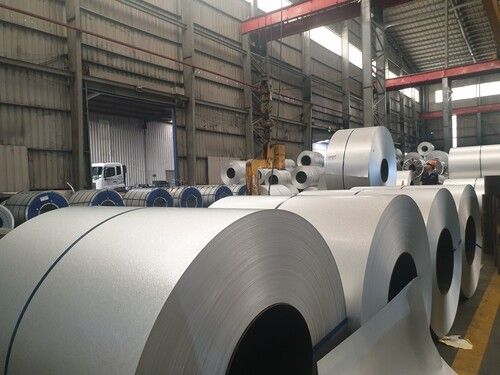
About Aluminum Zinc Coated Steel
uminium Zinc coated steel is one of the signature and most demandable product which is offered by All india metal Corporation.Application:
- Roofs: Aluzincs long-lasting shine creates excellent reflective power, meaning an Aluzinc roof acts as a built-in climate control system. Aluzinc HFX (High Formability eXtended) for standing seam roofs and rainwater systems combines the extreme formability with Aluzincs staunch reputation for corrosion resistance.
- Facades: Aluzinc and Aluzinc Florelis are particularly adapted to facades, giving buildings an exceptional, light-reflecting finish which will retain its shine for decades. They guarantee a precision engineered aesthetics thanks to their controlled number of spangles within a single production batch.
- Car parks: thanks to its beautiful silver appearance and outstanding corrosion resistance, Aluzinc is the perfect metallic solution for perforated car park cladding.
- Industrial applications: two specific grades (Aluzinc NSB and Aluzinc HFX) have been developed in order to meet the demand for various industrial segments such as Heating Ventilation Air Conditioning (HVAC) systems, electrical cabinets, household appliances and many other applications.
- Indoor:as a ceiling, Aluzinc creates a watertight support for a flat roof, and as a wall-covering, it makes the interior bright and attractive. Aluzinc does not give off any toxic fumes and is not flammable.
Exceptional Corrosion ResistanceThanks to its aluminum-zinc alloy coating, this steel provides enhanced protection against rust and weathering elements. The continuous hot-dip process ensures uniform adherence and coverage, making it suitable for exterior applications such as roofing, cladding, and construction in challenging climates.
Versatile Usage Across IndustriesThis high-tensile steel is commonly used in roofing, wall cladding, and automobile panels. Its customizable size, form, and finish enable wide adaptability for large infrastructure projects, manufacturing, and export. Full hard temper ensures maximum strength for heavy-duty applications.
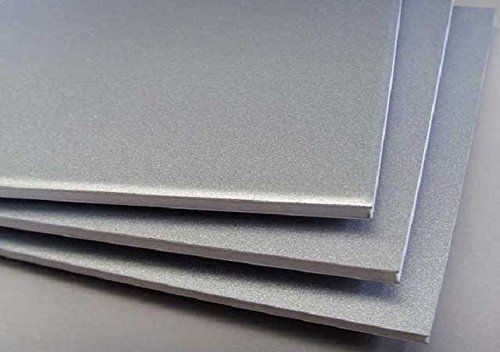
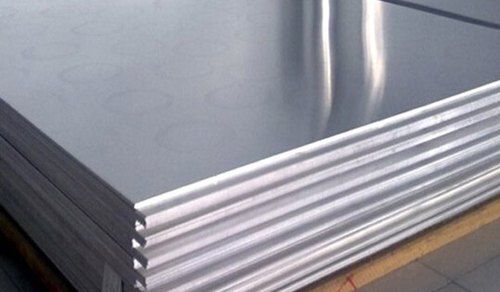
Customizable Dimensions & Superior FinishOffering thickness from 0.30 mm to 2.0 mm, width ranging 600-1250 mm, and lengths as required, this product meets unique project specifications. Spangle options, smooth finish, and flexible packaging types cater to diverse structural, commercial, and industrial needs.
FAQ's of Aluminum Zinc Coated Steel:
Q: How is the aluminum-zinc coating applied to the steel sheet?
A: The aluminum-zinc alloy is applied through a continuous hot-dip process, where the steel base passes through a molten bath. This method ensures complete coverage, strong adherence, and uniform coating mass ranging from 90-275 g/m2.
Q: What are the primary benefits of using aluminum zinc coated steel in construction?
A: This material offers exceptional corrosion resistance, heat reflectivity up to 315C, and superior strength with a yield strength of 345 MPa. Its long service life and robust finish make it ideal for construction applications in varied climates.
Q: When should regular or minimum spangle type be selected for this steel?
A: Regular spangle is chosen when a decorative or standard appearance is desired on exposed surfaces, while minimum spangle is preferred for applications requiring a smoother finish, such as painting or laminating.
Q: Where can aluminum zinc coated steel be used?
A: It is widely used in roofing, wall cladding, construction projects, and automobile panel manufacturing due to its durability, high tensile strength, and resistance to corrosion and heat.
Q: What process ensures the steel's compliance with JIS and ASTM standards?
A: Adherence to JIS G3321 and ASTM A792 standards is achieved through precise manufacturing that includes standard export packaging, customizable dimensions, and stringent quality checks during the hot-dip coating process.
Q: How does the product's heat resistance benefit its usage in roofing and cladding?
A: Withstanding temperatures up to 315C, the steel maintains structure and integrity even under intense sun exposure or heat, prolonging the lifespan of roofing and cladding installations.







 Send Inquiry

 Send Inquiry
