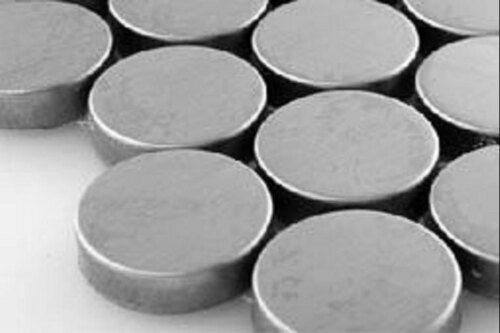
About Inconel Circles
Inconel UNS N06625 Circle, Inconel 625 HR Circles, Alloy 625 Hot Rolled Circle, Inconel 2.4856 Circle, Inconel 625 Cold Rolled Circle, Inconel 625 Circles, Alloy 625 Circle Stockist, Inconel 625 Forged Circles, Nickel Alloy 625 Circle, Inconel 625 Circles Supplier in Mumbai, India.Inconel 600 HR Circles, Alloy 600 Hot Rolled Circle, Inconel UNS N06600 Circle, Alloy 600 Circle Stockist, Inconel 600 Cold Rolled Circle, Inconel 2.4816 Circle, Inconel 600 Circles, Inconel 600 Forged Circles, Nickel Alloy 600 Circle, Inconel 600 Circles Supplier in Mumbai, India.Inconel 718 HR Circles, Alloy 718 Hot Rolled Circle, Inconel UNS N06718 Circle, Alloy 718 Circle Stockist, Inconel 718 Cold Rolled Circle, Inconel 2.4816 Circle, Inconel 718 Circles, Inconel 718 Forged Circles, Nickel Alloy 718 Circle, Inconel 718 Circles Supplier in Mumbai, India.
Inconel 800 HR Circles, Alloy 800 Hot Rolled Circle, Inconel UNS N06800 Circle, Alloy 800 Circle Stockist, Inconel 800 Cold Rolled Circle, Inconel 2.4816 Circle, Inconel 800 Circles, Inconel 800 Forged Circles, Nickel Alloy 800 Circle, Inconel 800 Circles Supplier in Mumbai, India.
Outstanding Corrosion and Heat ResistanceInconel Circles exhibit robust resistance against acids, chlorides, and oxidizing environments, making them ideal for severe industrial conditions. Their ability to endure temperatures up to 1100C, depending on the grade, ensures structural integrity in heat treatment, furnaces, and power generation applications, providing long-lasting performance where others may fail.
Precision Engineered for Industrial VersatilityManufactured to tight tolerances of 0.05 mm and available in a wide range of thicknesses and diameters, Inconel Circles fit seamlessly into a variety of industrial and engineering systems. Their bright, annealed, or polished surface treatments enhance both performance and aesthetics, while their rigid, solid construction makes them suitable for critical environments where reliability is paramount.
FAQ's of Inconel Circles:
Q: How can Inconel Circles be used in industrial applications?
A: Inconel Circles are widely used in industries such as chemical processing, power generation, heat treatment, aerospace, and marine environments. Their high-temperature tolerance and outstanding corrosion resistance make them ideal for components exposed to aggressive or high-heat conditions, such as furnace parts, heat exchangers, and reactor vessels.
Q: What benefits does Inconel Circle provide over other metallic materials?
A: The primary benefits of Inconel Circles are their superior resistance to corrosion (especially against acids and chlorides), excellent mechanical strength at high temperatures, and non-magnetic properties. These advantages ensure a longer operational life and reduced maintenance in harsh environments where other metals like stainless steel may corrode or weaken.
Q: Where are Inconel Circles commonly installed or utilized?
A: Inconel Circles are commonly utilized in sectors where durability and resistance to extreme conditions are crucial. Typical installations include chemical processing plants, power stations, aerospace fittings, marine hardware, and industrial furnaces, thanks to their robust physical and chemical properties.
Q: What is the process for manufacturing Inconel Circles?
A: The manufacturing process involves melting and alloying nickel and chromium, followed by hot or cold rolling into circles of specific thickness and diameters. The circles are then annealed, polished, or finished as required, and precisely cut and measured to maintain a tolerance of 0.05 mm. They are produced as solid, rigid shapes without connections or holes.
Q: When should I choose Inconel Circle over stainless steel?
A: You should opt for Inconel Circles over stainless steel when you need enhanced corrosion resistance, especially in acidic, chloride, or oxidizing environments, or when the application requires excellent performance at elevated temperatures up to 1100C. They are also preferred where non-magnetic properties and high mechanical strength are necessary.
Q: How should Inconel Circles be machined or fabricated?
A: Although machinability is rated as fair, Inconel Circles require special tooling and techniques due to their work-hardening properties. Using slow speeds, adequate coolant, and carbide or ceramic tools is recommended for precise machining and fabrication. These measures ensure accurate shaping without compromising the alloy's properties.
Q: What material grades are available for Inconel Circles and how does grade influence performance?
A: Inconel Circles are supplied in grades 600, 625, 718, 800, and 825, each offering distinct mechanical and chemical properties. For instance, Inconel 625 and 718 provide higher tensile and yield strength, while grades like 600 and 800 focus on corrosion resistance and oxidation stability. The choice of grade depends on specific application requirements.










 Send Inquiry

 Send Inquiry
